
Energy Audits in Dubai: Cutting Costs Without Compromising Comfort
In fast-moving, high-rise Dubai, maintaining comfortable indoor environments whilst controlling energy costs is both a challenge and an opportunity. With soaring temperatures, heavy air-conditioning demands, and ever-evolving sustainability regulations, conducting a robust energy audit is a smart move. This blog will dive deep into what an energy audit is, explore common energy drains in Dubai buildings, outline the benefits of regular audits, highlight how a facilities-management company implements efficiency solutions, and finish with a case study/example to illustrate these ideas in practice.
What Is an Energy Audit?

6
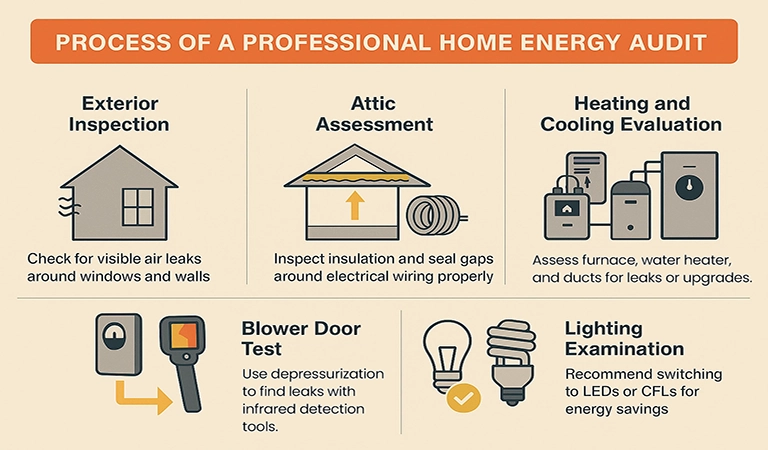
An energy audit is essentially a systematic inspection, measurement, and analysis of how energy is used in a building (or process) and identifies opportunities for reducing consumption, improving efficiency, and cutting cost — without compromising comfort or performance. In the context of Dubai’s regulatory framework:
- According to the Regulatory & Supervisory Bureau (RSB) for Electricity & Water in Dubai, an energy audit must describe the building’s characteristics and envelope, document its energy and water consumption and costs, and then provide recommendations for technical and organisational measures to increase efficiency. rsbdubai.gov.ae+2rsbdubai.gov.ae+2
- It can range from a simple “walk-through” audit (level 1) to a full investment-grade audit (levels 2 or 3) that involves detailed measurement & verification. ista.com+1
In short: if you own or manage a building in Dubai (commercial, residential, or mixed-use), an energy audit helps you see where your money is going in terms of energy, identify what’s being wasted, and plan corrective action — while still keeping occupants comfortable.
Key components of an energy audit:
- Data collection – review of utility bills (electricity, cooling, water), historical consumption, occupancy data.
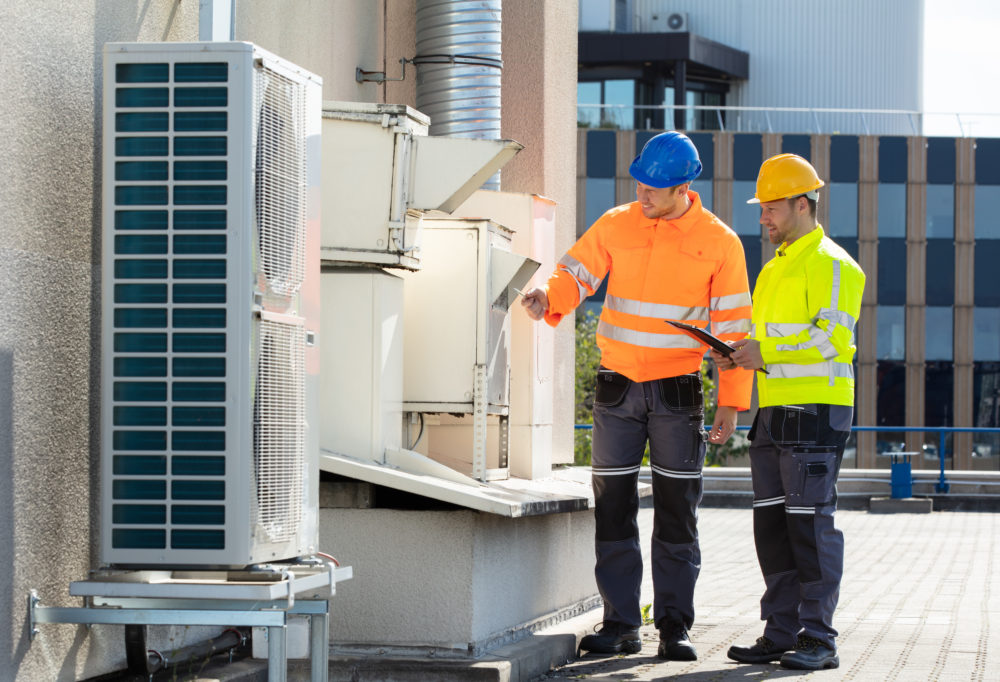
- On-site inspection – HVAC systems, lighting, envelope (walls/roof/windows), controls, pumps, fans, etc.
- Performance analysis – identify inefficiencies, baseline energy use, compare with benchmarks. For example, a study by EmiratesGBC found significant differences in energy performance across Dubai’s hotels, schools and malls. Zawya
- Recommendations – list of energy conservation measures (ECMs) with cost-benefit or pay-back analysis.
- Reporting & verification – implement monitoring, measurement & verification (M&V) to confirm the savings. duservefm.com+1
In a climate like Dubai’s — hot, humid, cooling-driven — identifying and acting on energy drains is critical if you want to balance occupant comfort with cost control.
Common Energy Drains in Dubai Buildings


6
Buildings in Dubai face unique challenges due to climate, load profiles, occupancy patterns, and ageing systems. Here are some of the most common energy drains:
1. HVAC & Cooling Systems
- The HVAC (heating, ventilation, air-conditioning) system often constitutes the largest chunk of energy use in a Dubai building. Oversized pumps, inefficient chillers, poor controls and imbalance can all drive energy waste. For example, one case in Dubai saw 50-80% electricity savings from swapping oversized pumps in HVAC systems. bluezone.co.mz
- Many buildings run older equipment, lack proper maintenance or controls, or have poorly insulated ductwork and piping — all of which reduce system efficiency.
2. Lighting Systems
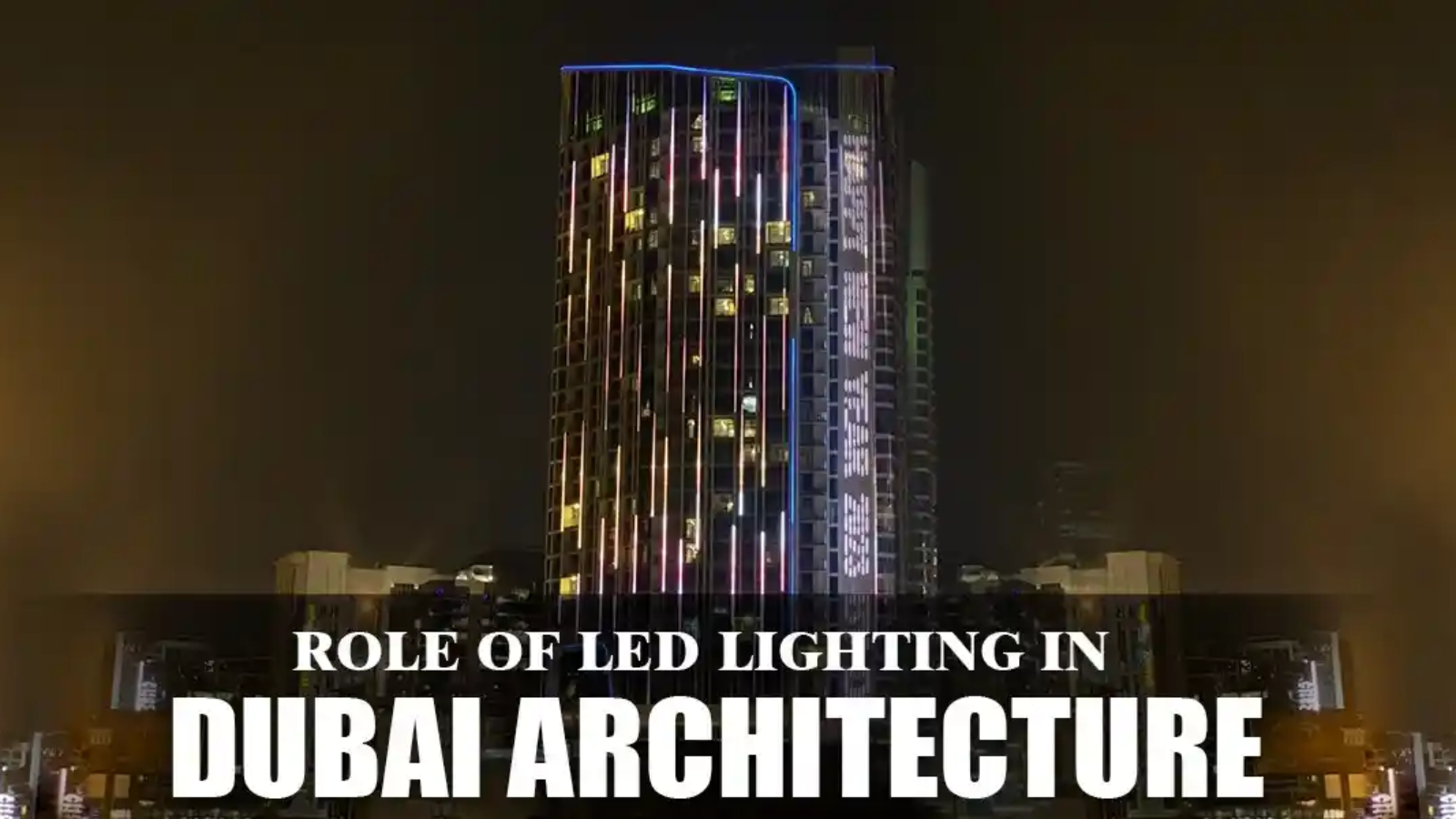
- Lighting may seem less dramatic than HVAC, but inefficient use of lights (old lamps, no occupancy or daylight sensors, excessive lighting levels) still adds up.
- In Dubai’s commercial / mixed-use context, extended operating hours exacerbate the effect.
3. Building Envelope & Thermal Gains
- Heat gain through windows, walls and roof is a major factor. If the envelope is poorly insulated or has high solar exposure, the cooling system must work harder.
- Leakage (air infiltration) and weak thermal barriers escalate energy use.
4. Pumps, Fans, and Motors
- Many buildings in Dubai (especially older ones) have oversized pumps or motors running full-speed even when full load is not required. E.g., the pump swap case.
- Variable speed drive (VSD) opportunities or demand-based control often remain untapped.
5. Controls, Maintenance & Operations
- Even the best equipment will underperform with poor controls, monitoring or maintenance.
- Lack of real-time monitoring, failure to detect faults, and sub-optimal set-points lead to ongoing waste.
- Behavioural and operational factors (e.g., leaving systems on when occupancy low) also matter.
6. Water Systems & Ancillary Loads
- While electricity dominates, water use (and the energy behind pumping/treating water) is also a drain — especially in amenities, landscaping, fountains, etc.
- Water audit is often conducted in parallel for a holistic view. duservefm.com+1
Understanding these drains is the first step in targeted energy audits and designing solutions that preserve comfort while cutting cost.
Benefits of Regular Energy Audits

6
Why should building owners/managers in Dubai invest in regular energy audits? The advantages are multiple and compelling:
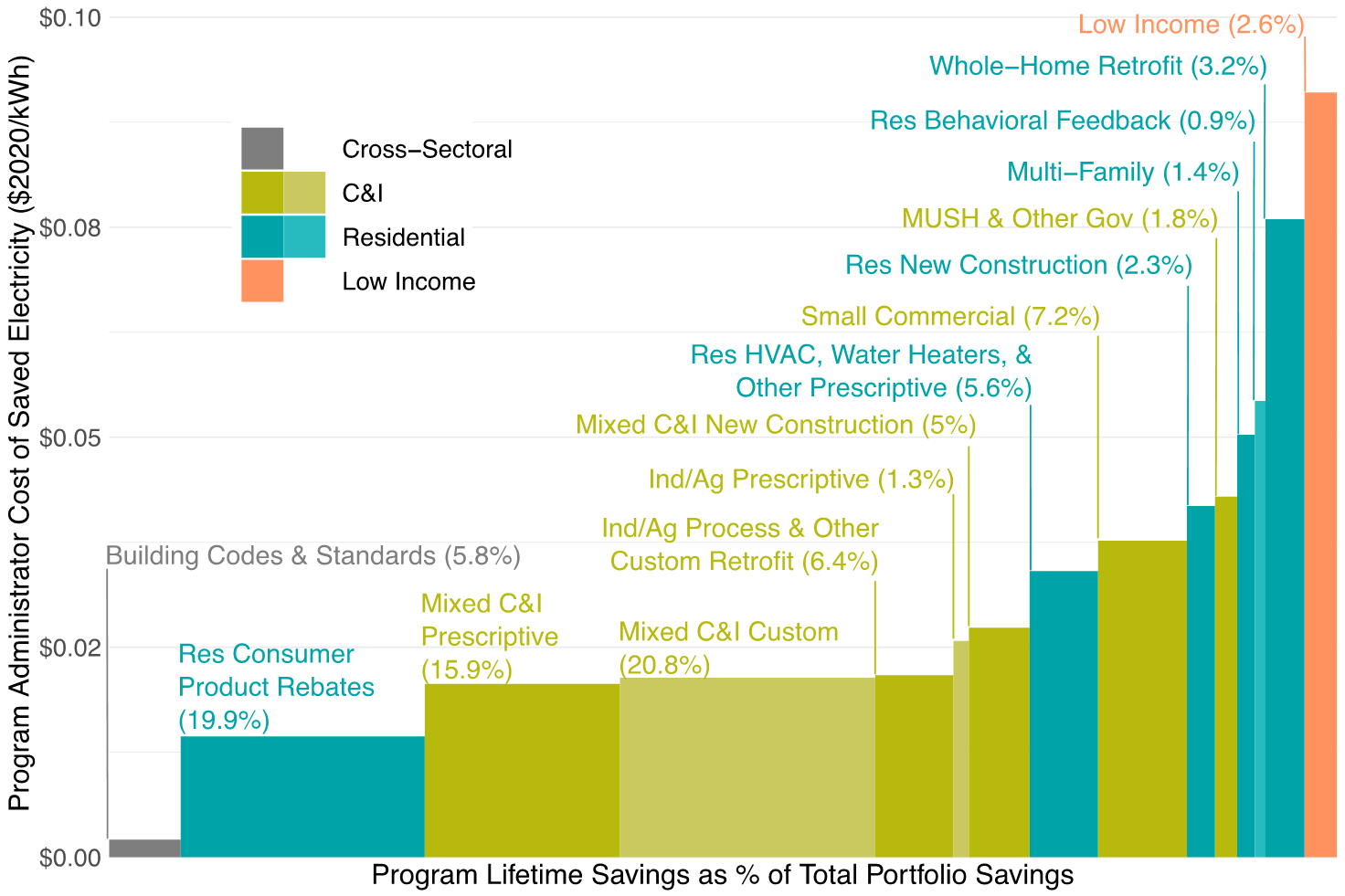
1. Cost Reduction & Return on Investment
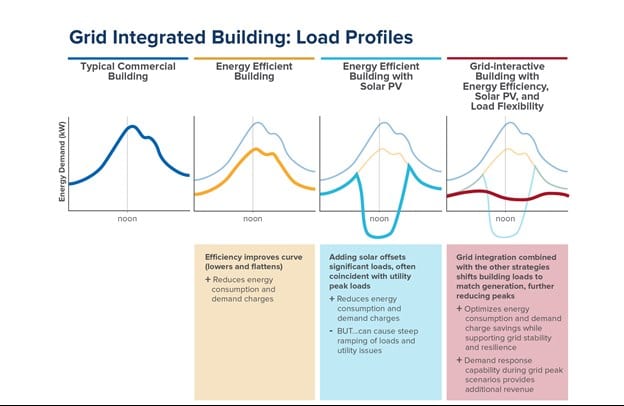
- By identifying and fixing inefficiencies, energy consumption is reduced — which translates directly into lower utility bills.
- Some ECMs (energy conservation measures) pay for themselves in short order.
- For example: Virtual audits in Dubai hotels could have helped save ~17.4% of energy consumption in one case study. technicalreviewmiddleeast.com+1
2. Improved Comfort & Occupant Satisfaction
- A well-audited building doesn’t just use less energy — it uses energy better. That means more consistent indoor temperatures, better air quality, fewer system disturbances.
- Comfort and productivity often go hand in hand with efficient operation.
3. Compliance & Future-proofing
- In Dubai, energy audits for certain building types are mandated under the “Directive on Energy & Water Efficiency of Buildings for Government Entities”. ista.com+1
- Regular audits help ensure compliance with regulatory frameworks, and prepare your building for future energy regulations, green certifications (e.g., LEED) and evolving sustainability standards.
4. Environmental & Brand Benefits
- Reduced energy use = reduced carbon emissions, which aligns with regional goals (e.g., UAE Net Zero by 2050).
- A building that is efficient and sustainable enhances the brand value of owners/operators and is increasingly attractive to tenants who care about environmental credentials.
5. Asset Management & Lifecycle Optimisation
- Audits often reveal underlying issues (equipment under-performing, maintenance faults, faulty control sequences) that if left unchecked could cause costly breakdowns or prematurely aging assets.
- Better maintenance, longer equipment life, and fewer emergency repairs = indirect cost savings.
6. Data-driven Decision-Making
- Instead of guesswork, you get baseline measurements, trends, identified opportunities with quantifiable savings, and a roadmap with pay-back analysis.
- This enables smarter budgeting, prioritisation and investment planning.
In short: a regular energy audit is not just a “nice to have” — for many buildings in Dubai it is a strategic tool for cost control, comfort assurance and sustainable operation.
How FM Implements Efficiency Solutions
6
Let’s talk about how a facilities-management company or energy services provider actually implements solutions based on an audit. While we don’t have proprietary data for all companies, we can reference typical practices in Dubai and elsewhere.
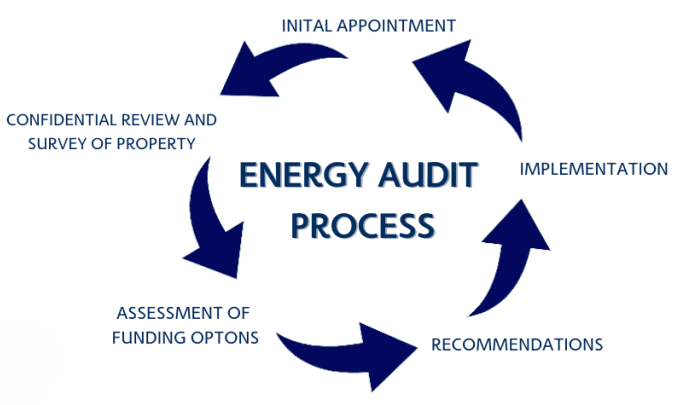
Step-by-Step Implementation Approach
- Initial Audit & Baseline Setup
- Collect historical utility data, inspect equipment, identify inefficiencies.
- Use standards (e.g., American Society of Heating, Refrigerating and Air‑Conditioning Engineers – ASHRAE) for audit levels. technicalreviewmiddleeast.com+1
- Establish energy baseline and metrics (kWh/m², etc).
- Prioritisation of Energy Conservation Measures (ECMs)
- Based on cost vs benefit, ease of implementation, impact on comfort & operations.
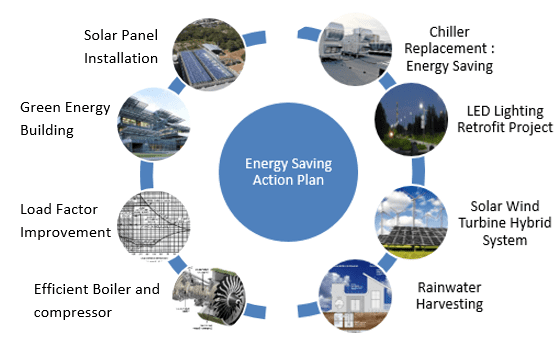
- For example: replace oversized pumps with properly sized VSD drives; upgrade lighting to LED with occupancy sensors; seal building envelope leakages; optimise controls for HVAC.
- In Dubai one report found a pump-swap alone yielded ~80% reduction in pump energy. bluezone.co.mz
- Implementation
- Procurement, installation, commissioning of new equipment or controls.
- Integration of monitoring systems (IoT dashboards, remote monitoring) to continue tracking performance. For example, the company offering remote audit & monitoring. Farnek+1
- Behavioural / operational changes: staff training, revised set-points, occupant awareness.
- Measurement & Verification (M&V)
- After installation, measure actual savings, compare with baseline, ensure the projected ROI is realized. Companies in Dubai emphasise M&V as part of their service. duservefm.com+1
- Continuous Monitoring & Maintenance
- Ensuring systems remain efficient over time. Without this, initial savings may leak away.
- Use dashboards, alerts, fault detection to act proactively.
- Reporting & Feedback
- Provide stakeholders with reports on savings, energy performance improvements, return on investment, comfort outcomes.
- Use the data to plan future audits and retrofits.
Example: Remote / Virtual Audit Implementation
In Dubai, the company Farnek Services LLC launched a remote energy audit system to allow for virtual walkthroughs, data-collection online and fewer physical site visits — especially relevant during COVID-19. technicalreviewmiddleeast.com+1
- The virtual audit includes benchmarking, baseline establishment, consumption modelling.
- Following that, the detailed audit (if needed) drills into equipment performance, operational behaviours, maintenance issues.
- The benefit: lower-cost audits, greater accessibility for building owners, faster identification of energy inefficiencies.
Role of a Facilities Management & Energy Services Company (like “AMW-FM”)
If you are working with a facilities management partner (let’s say hypothetically “AMW-FM”), they would likely follow the same process:
- Conduct audit as described above.
- Use their internal teams of certified energy auditors, MEP specialists, sustainability consultants.
- Provide turnkey solutions: from identifying ECMs to procurement, installation, monitoring, and reporting.
- Focus on delivering comfort preservation (so occupants don’t suffer) while implementing efficiency measures (so cost savings are achieved).
- Offer ongoing maintenance and monitoring contracts so the savings are sustained over the lifecycle of the building.
By combining audit insights + strong implementation + continuous monitoring, the FM company ensures that energy efficiency is not a one-off project but a sustainable operational improvement.
Case Study / Example


6
Let’s look at a real-world example to bring the above into sharp focus. While it may not be labelled under “AMW-FM”, it is a documented case in Dubai and illustrates the principle well.
Example: Pump Swap in Dubai Buildings
In Dubai (Deira district), a building owner discovered that their HVAC pump system was oversized and inefficient. After engaging an energy-audit and retrofit process:
- Original pump consumption was ~36 kW/h, after retrofit the consumption dropped to around 7-10 kW/h. That’s roughly an 81% reduction in energy for the pump segment. bluezone.co.mz
- The retrofit involved replacing oversized pumps, optimising the constant-primary cooling system and better balancing.
- The result: lower electricity costs, reduced maintenance burden, quieter system for residents AND comfort maintained.
Lessons Learned
- Even a single system (pump) within a building can yield large savings if inefficient.
- The audit identified the problem (oversized, mis-balanced system) and the retrofit fixed it — showing the audit → implementation → savings loop in action.
- Comfort was not compromised; in fact, occupant satisfaction improved (lower noise, better system performance).
- The payback can be very favourable, making this a worthwhile investment rather than just a cost.
Hypothetical “AMW-FM” Approach
If “AMW-FM” were the partner in this case, they might have:
- Conducted the audit (identified pump inefficiency)
- Proposed ECMs (swap to correct size, install controls, balance system)
- Managed procurement + installation
- Managed commissioning + validation (M&V)
- Set up monitoring and preventive maintenance to ensure sustained performance.
Thus, building owners can cut costs without reducing occupant comfort.
Conclusion & Call to Action
For any building owner, facility manager or stakeholder in Dubai’s built environment, regular energy audits are an essential tool — not just for sustainability, but for cost savings, comfort and compliance. By focusing on key drains (cooling systems, lighting, controls, envelope) and partnering with capable FM / energy-services firms, you can transform energy from being a cost centre into a competitive advantage.
If you’re ready to take action:
- Start with a baseline utility- and performance-audit.
- Partner with a certified auditor (under the RSB accreditation scheme) in Dubai. rsbdubai.gov.ae+1
- Prioritise measures that deliver high-impact savings but minimal disruption to occupant comfort.
- Ensure you have M&V in place and continue monitoring.
- Repeat audits periodically (at least every 2–3 years) to stay ahead of inefficiencies and regulatory changes.